Gutter Installation in Memphis: Sizes, Materials, and What Stops Overflow
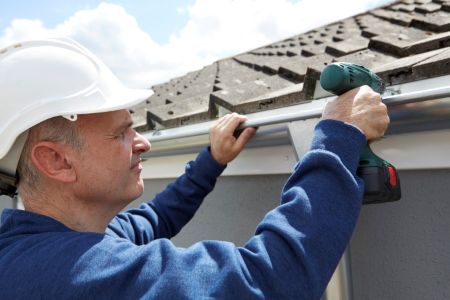
When spring storms roll through Memphis, small gutters and weak downspouts can’t keep up. If you see water shooting over the edge or puddling by your foundation, it is time to rethink design, size, and materials. This guide explains how 5-inch vs 6-inch gutters, smart downspout placement, and the right materials work together to protect your home. If you are ready for a tailored plan, explore our gutter installation service and see how Phillips Property Solutions, LLC solves overflow at the source.
From Midtown to Bartlett, Germantown, Cordova, and Collierville, we install seamless systems that match your roof and yard conditions. Have questions right now? Call 901-436-3646 and talk with a local specialist.
Why Gutters Matter In Memphis Weather
Our area gets fast, heavy downpours that can dump a lot of water in a short time, especially in late spring and fall. Roof runoff has to move quickly into correctly sized gutters and downspouts, then out to safe drainage so it does not erode clay soils, stain brick, or creep into crawl spaces.
Many older homes in East Memphis and Midtown still have small gutters or too few downspouts. Tree cover adds leaves and pine needles, which slow flow even more. The result is spillover at roof valleys, washed-out mulch, and soft spots along walkways.
5-Inch vs 6-Inch Gutters: What Fits Your Home
Both sizes can work in Memphis, but design details decide. Five-inch K-style gutters are common on smaller or simpler roofs. Six-inch systems move more water and handle leaf guards and steep roof pitches better. Roof valleys that focus water into one spot often push 5-inch gutters past their limit.
- Choose 6-inch when you have long roof runs, multiple valleys, or steep pitches.
- Choose 6-inch when adding leaf guards or larger 3x4 downspouts for faster flow.
- Choose 5-inch for shorter runs on modest, low-slope roofs with simple drainage.
Bigger gutters are not a fix for poor downspout layout. Size helps, but placement and outlet size control how quickly water actually leaves the trough.
Materials: Aluminum, Copper, And Steel Options
Material affects performance, look, and upkeep. Aluminum is the local go-to because it is lightweight, resists rust, and comes in many colors to match trim on homes from High Point Terrace to Southwind. It pairs well with seamless machines for fewer joints and fewer leak points.
Copper offers a premium finish that develops a patina over time. It is popular on historic homes and high-visibility facades. Galvanized or painted steel is tough and resists impact, which can help near tall trees or roof edges that see ice sheets. Half-round profiles shed debris nicely on some historic designs, while K-style adds capacity in a compact shape.
Leaf guards reduce debris and maintenance for homes under oaks or pines. They do not create more capacity, but they keep the water path open so your chosen size performs closer to its design.
Downspout Placement That Prevents Overflow
Downspouts are the exit doors. If you do not have enough of them, or if they are in the wrong spots, gutters will overflow even in average storms. Corners that catch two roof planes and long, unbroken runs need extra attention. We often recommend upgrading from small rectangular outlets to 3x4 downspouts for faster drainage and fewer clogs.
Location matters at the ground too. Keep outlets clear of driveways, patios, and steps, and direct water toward safe drainage. On tight lots in Cooper-Young or near narrow side yards in Bartlett, that can mean adding extensions or tying into properly designed drains that move water away from the foundation.
What Actually Stops Overflow In Heavy Storms
Overflow is a system issue. The best fix blends sizing, placement, and discharge:
- Right-size the trough: 6-inch gutters often handle Memphis downpours better, especially beneath roof valleys and steep slopes.
- Open the bottleneck: larger outlets and 3x4 downspouts move water out faster and pass small debris that would choke narrow tubes.
- Add more exits: a long run may need another downspout midway so water does not stack up at one end.
- Protect flow: leaf guards reduce clogging so gutters perform closer to their capacity during storm bursts.
- Discharge safely: splash blocks, extensions, or professionally designed drains help keep water off walkways and away from the crawl space.
Leaf guards reduce debris but do not increase water capacity. If your gutters are undersized, guards alone will not stop spillover. And if downspouts are too small or too far apart, even a new gutter will act like it is clogged during peak rain.
Signs Your Gutters Are Undersized Or Misplaced
Watch for these clues around the roofline and yard:
- Water shooting past the gutter during short, heavy bursts
- Dark streaks or peeling paint on fascia near roof valleys
- Mulch displaced beneath inside corners after storms
- Puddles or soft soil near downspout outlets next to slab or crawl space vents
- Repeated clogs at the same end of a long run
If you see more than one of these, the system likely needs both size and layout changes. A quick tune-up without addressing design may only delay the next overflow.
Local Drainage Fixes For Memphis Yards
Many neighborhoods here have compact lots and clay-heavy soils that hold water. Directing roof runoff onto those soils creates soggy strips along foundations and low spots near sidewalks. The right solution depends on roof area, slope, and where the water can go safely.
Common options include longer downspout extensions to reach planting beds, surface splash blocks where space allows, and professionally designed drains that move water toward suitable discharge points. The details vary by home and should be evaluated on-site. We often adjust outlet size and downspout count at the same time so your gutters and drainage work as one plan.
For background and to learn how we design systems for you, start with our page on professional gutter installation. You can also learn more about gutter installation in Memphis, TN and the neighborhoods we serve across the metro.
How Phillips Property Solutions, LLC Handles Gutter Installation
We begin with a roof-and-yard assessment that focuses on where water concentrates and how it leaves the property. We measure critical runs and valleys, evaluate tree cover, and note ground slopes near driveways, porches, and crawl space vents. Then we recommend the right size, profile, outlet type, and downspout count so the entire system works together.
On install day, our crew forms seamless gutters on-site, sets hidden hangers for strength, confirms pitch for smooth flow, and aligns outlets where they actually solve overflow. We test key locations with water so you can see the path. Cleanup is included, and trim colors are matched to keep curb appeal strong in historic districts and new builds alike.
If you are unsure whether 5-inch or 6-inch makes sense, we will show you the tradeoffs in person. The goal is simple: move water fast, keep it off walkways, and protect your foundation. Ready to talk through options for your home in Germantown, Collierville, or Midtown? Call 901-436-3646 and we will schedule a visit.
Schedule Your Gutter Installation In Memphis, TN
Heavy rain will always test your roofline. With the right size, placement, and materials, your system will pass that test. Let Phillips Property Solutions, LLC design and install a solution that fits your home and the way Memphis weather really behaves. When you are ready, schedule your project through our gutter installation page and get a plan built for your roof, your yard, and your peace of mind.
for All Your Home Remodeling Needs!